







Search Results for: civil war risk
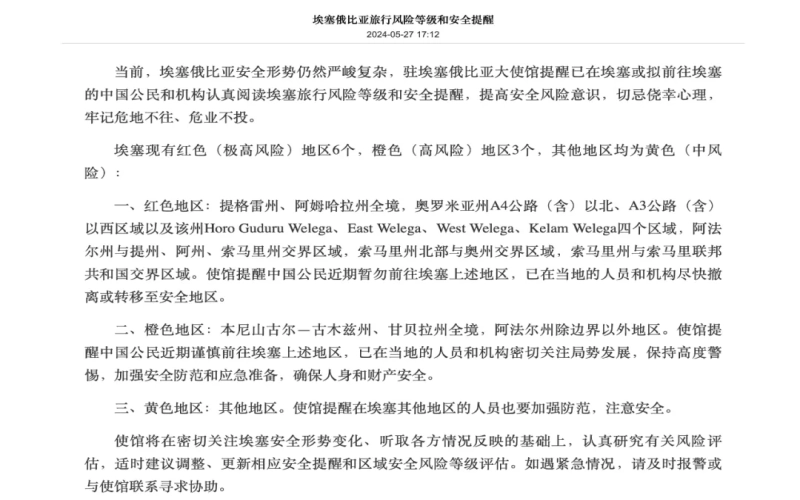
Ethiopia's Worsening Security Situation: Coffee Industry Faces Civil War Shock and Export Test
Ethiopia's security situation has remained tense recently, and the Chinese consulate has issued a travel risk advisory. Several of the country's coffee-producing regions are located in high-risk areas, and clashes between the federal government and local armed groups could deal a severe blow to coffee production, the supply chain, and exports. Although coffee exports hit a record high in the first nine months of this fiscal year, the looming civil war, transport blockades, and the possible cancellation of the Cup of Excellence competition are all casting a shadow over the country's coffee industry. This article will review the current risk areas, the background of the conflict, and its potential impact on the coffee sector. [more…]
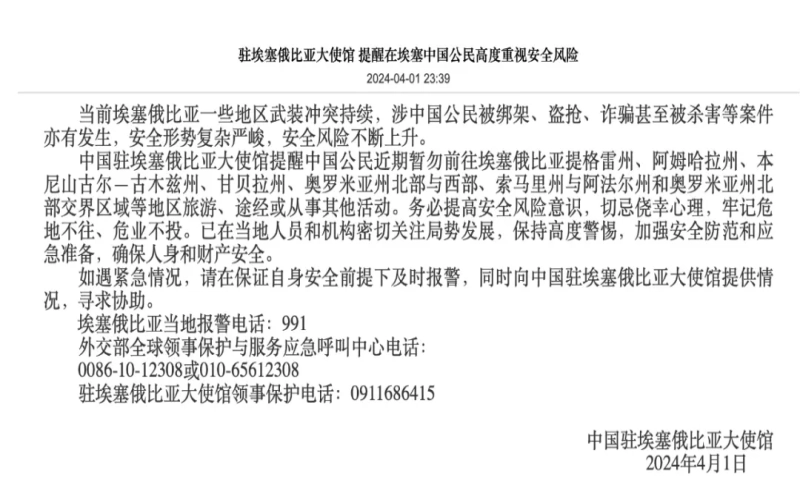
The Chinese Embassy in Ethiopia has issued a safety reminder: temporarily avoid travel to high-risk areas such as Tigray, affecting the coffee trade and tourism.
Recently, the Chinese Embassy in Ethiopia issued a notice advising Chinese citizens to temporarily avoid traveling to several high-risk areas, including Tigray and Amhara regions. The country's protracted civil war and local armed conflicts continue to spread, not only creating security risks but also severely impacting an economy and tourism industry that rely on coffee and agriculture and animal husbandry as pillars. As the recognized birthplace of coffee, Ethiopia's turbulent situation also affects the travel plans of coffee traders and bean hunters. This article outlines the background of the conflict, its impact on the economy and the coffee industry, and reiterates the embassy's safety recommendations, reminding those planning to travel to the country to remain highly vigilant and ensure their personal and property safety. [more…]
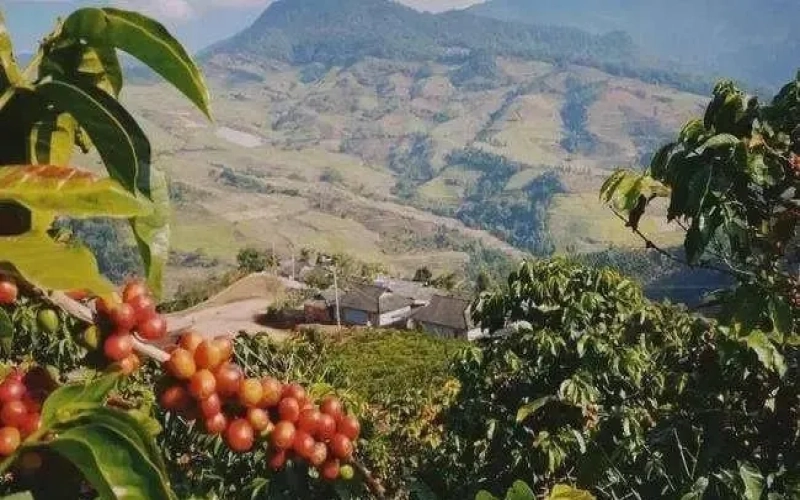
Ethiopian Coffee Exports to China Surge, Civil War Risk and VAT Adjustments May Become New Obstacles
Ethiopian coffee has performed impressively in the Chinese market, with exports growing 50% over the past two years to 20,000 tons, making China its eighth-largest importer. However, the conflict between government forces and Fano militia in the Amhara region of north-central Ethiopia continues to escalate and could trigger a civil war. Meanwhile, the federal government plans to amend the value-added tax law to include basic foods such as biscuits in the taxable scope, with coffee industry workers bearing the brunt. Industry insiders worry that if the situation deteriorates, Ethiopia's coffee exports will decline and prices will rise. Front Street Coffee breaks down the opportunities and challenges in this producing region for you. [more…]

U.S. Intervention in Tigray: Peace Deal Implementation Faces Internal and External Challenges, Ethiopia's Coffee Industry Under Pressure
The chairman of Ethiopia's Tigray interim government met with the US special envoy for the Horn of Africa on September 12, and the two sides discussed the difficulties and ways forward in implementing the Pretoria Peace Agreement. The US side expressed support for the Tigray interim government in accelerating the completion of its tasks, while the Tigray side called on the international community to jointly exert pressure to ensure the return of displaced people and ease the humanitarian crisis. However, after the agreement was signed, local violent conflict has still not subsided, divisions within the TPLF have intensified, and the risk of civil war has resurfaced. At the same time, the depreciation of Ethiopia's currency and soaring prices are putting pressure on people's livelihoods, and instability in the northern agricultural areas is gradually spilling over into the southern coffee-producing regions, with exchange rate volatility and rising costs becoming severe challenges facing the country's coffee industry. [more…]
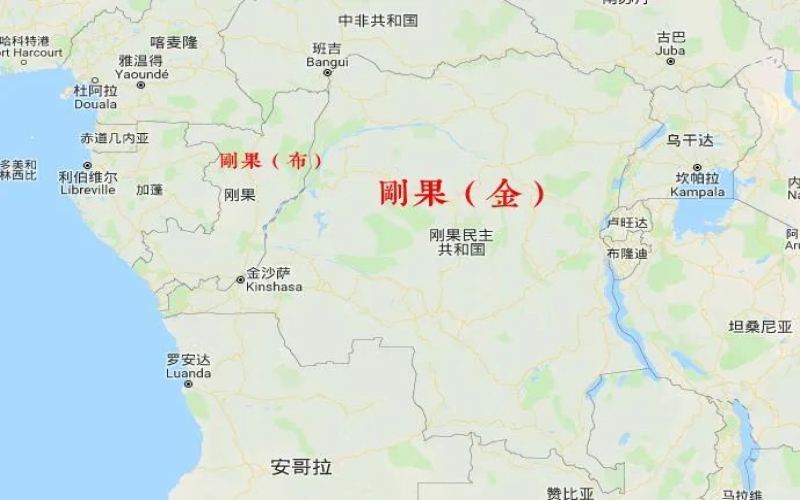
From Granary to Crisis to Recovery: The Tortuous Development of the Coffee Industry in the Democratic Republic of the Congo
The Democratic Republic of the Congo was once hailed as Africa's breadbasket, endowed with vast tracts of arable land, and coffee once held an important place in the country's economy. However, the shadow of colonial rule and successive waves of political turmoil severely constrained the development of the coffee industry. From coffee leaf rust propelling it to become a cash crop, to the sharp decline in production after the civil war, farmers risking cross-border bean sales, and now the gradual rebuilding in peacetime, the DRC's coffee industry has traversed an extraordinarily rugged path. This article will take you through this little-known history, as well as the opportunities and challenges currently facing the country's coffee industry. [more…]

El Niño Devastates Africa's Coffee Industry: Ethiopia's Production Drops Over Ten Percent, Export Pressure Intertwined with Debt Default Risk
Affected by extreme weather triggered by the El Niño phenomenon, Africa's major coffee-producing regions are undergoing a severe test. As Africa's largest coffee producer, Ethiopia's output for the 2022/23 fiscal year is expected to decline to 7.3 million bags, a decrease of about 1 million bags from previous expectations. The alternating onslaught of drought and floods has not only damaged infrastructure in the producing areas but also driven up transportation costs. At the same time, the European Union Deforestation Regulation (EUDR)'s strict requirements for origin traceability make it difficult for smallholder farmers to comply, forcing export volumes to be revised down by 19%. Shrinking exports, compounded by the impact of the pandemic and civil war, have intensified the country's fiscal pressure, and it even faces the risk of sovereign debt default. International coffee futures prices, meanwhile, continue to fluctuate at high levels due to constrained supply, and market concerns about short-term supply are steadily mounting. [more…]
Ethiopia's May Coffee Exports Exceed Targets, but Civil War and Red Sea Crisis Weigh on Prospects
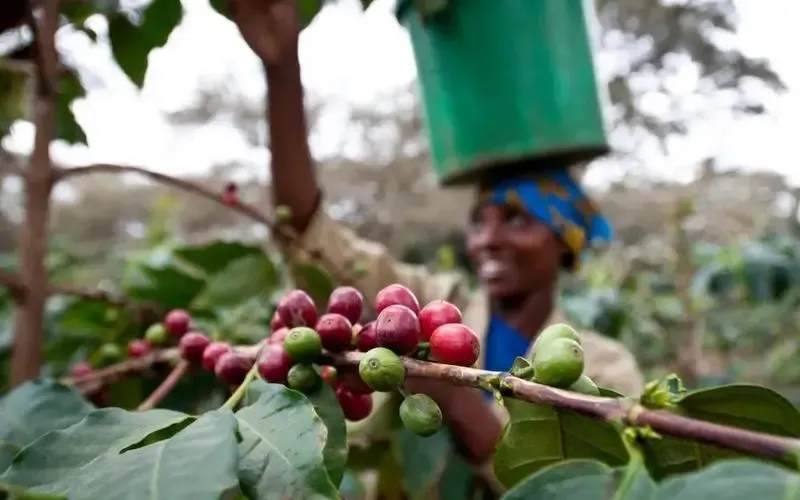
The latest data from the Ethiopian Coffee and Tea Authority shows that the country's coffee exports in May reached 43,481.02 tons, exceeding the target by 105% and generating 209.54 million US dollars in revenue. In the first 11 months of this fiscal year, cumulative exports reached 252,466.98 tons, with foreign exchange earnings of 1.208 billion US dollars, on track to break last fiscal year's record of 1.3 billion US dollars. Saudi Arabia, South Korea and the United States top the list of export destinations, while China's imports continue to grow. However, the ongoing civil war in Amhara region, the government's large-scale military deployment, and the Red Sea shipping crisis are casting a shadow over this landlocked country's coffee exports. Front Street Coffee continues to follow developments in the producing regions, bringing frontline news to enthusiasts. [more…]
El Salvador Apaneca-Ilamatepec Region Analysis: Volcanic Soil, Historical Changes, and Finca El Angel
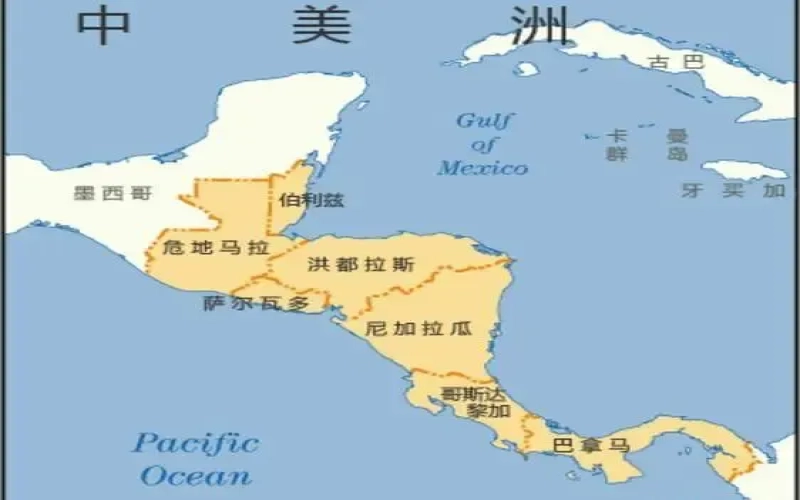
Among the many coffee-producing countries in Central America, El Salvador may not stand out in terms of volume, yet its volcanic ash soils and diverse microclimates give rise to a highly distinctive flavor profile. This article begins with the historical context, tracing how coffee replaced indigo as the backbone of the nation's economy and, after civil war and land reform, shifted toward competing on quality. The focus then turns to the largest producing region in the west, Apaneca-Ilamatepec, interpreting the high-altitude growing conditions around the Santa Ana volcano and the ecological value of shade cultivation, and introducing the varietal layout and terroir characteristics of Angel Estate, this year's COE Natural category runner-up. Front Street Coffee will also combine the region's characteristics to offer enthusiasts some reference ideas on bean selection and brewing. [more…]

Escalating Internal Conflict in Ethiopia Brings a New Round of Price Increases at Coffee Origins
The conflict between Fano forces and government troops in the Gojjam region of Ethiopia's Amhara State continues to intensify, with the Fano side vowing to retaliate against the government army's atrocities against civilians. This civil war has not only caused heavy casualties but also led to an economic blockade and soaring prices in the region. Meanwhile, Ethiopia's foreign exchange reform has triggered a sharp depreciation of the exchange rate, and the Red Sea shipping crisis has driven up import and export costs. Under these multiple pressures, the country's coffee cultivation costs are steadily rising, and the floor price for coffee exports has consequently been raised. As a major global coffee-producing region, Ethiopia's turbulent situation is profoundly affecting the international coffee market. [more…]
Somalia Halts Ethiopian Airlines Flights Over Sovereignty Dispute, East African Tensions Affect Coffee Exports
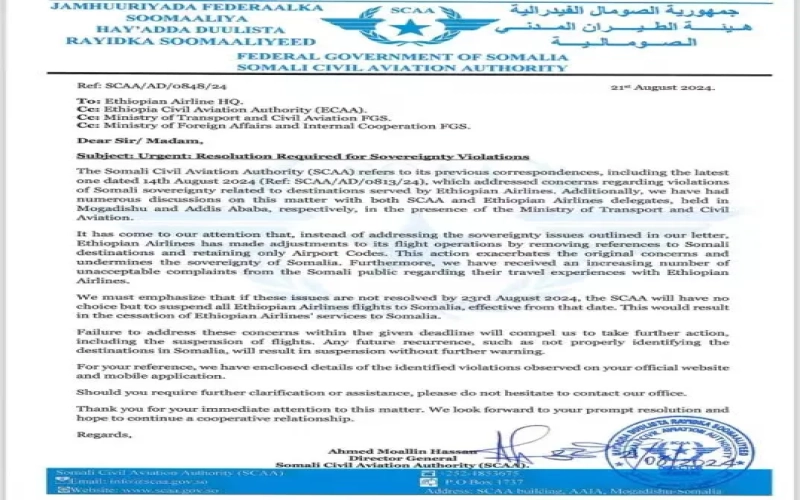
Somalia's civil aviation authority demanded that Ethiopian Airlines make corrections within a deadline on the grounds that the words "Somaliland" appeared on the airline's official website. After being refused, it suspended all Ethiopian flights on August 23. The root of this matter lies in the memorandum of understanding signed between Ethiopia and Somaliland on the use of a port, which has led to continued tension between Somalia and Ethiopia. At the same time, Eritrea also suspended Ethiopian flights, and the peace talks mediated by Turkey have been hindered. Ethiopia's exports of agricultural products such as coffee are highly dependent on neighboring countries' ports. Now that the Port of Djibouti is affected by the Red Sea crisis, and Ethiopia cannot use routes through Somalia and Eritrea, the outlook is worrying. [more…]
From Indigo to Coffee: The Rise of El Salvador's Coffee Industry, the Civil War Turning Point, and the Specialty Transition
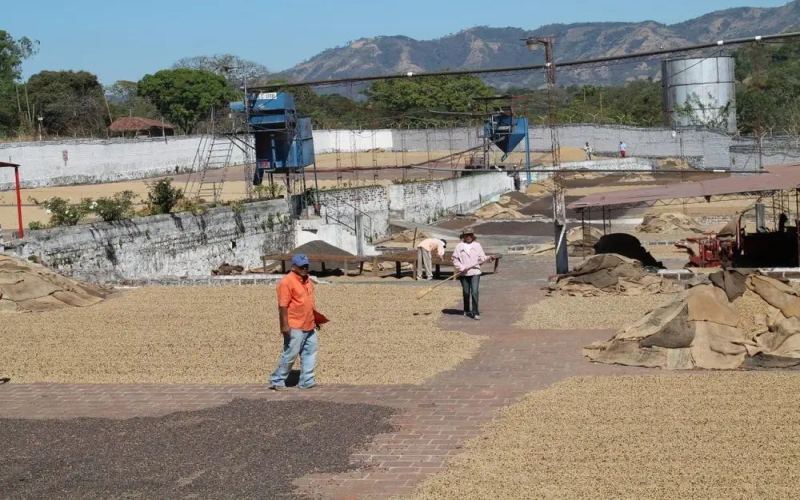
El Salvador was once the fourth-largest coffee producer in the world. After coffee was introduced in 1880, it quickly replaced indigo as the country's most important export crop and economic pillar. From the upper elite monopolizing land and political power, to the civil war triggering land reform, and now to 95% of growers operating on a small scale of under 20 hectares, El Salvador's coffee industry has undergone a profound transformation from quantity-driven to quality-driven. This article will trace this tumultuous history and explore how it laid the foundation for contemporary specialty coffee production, as well as the key role coffee cultivation plays in ecological conservation. [more…]
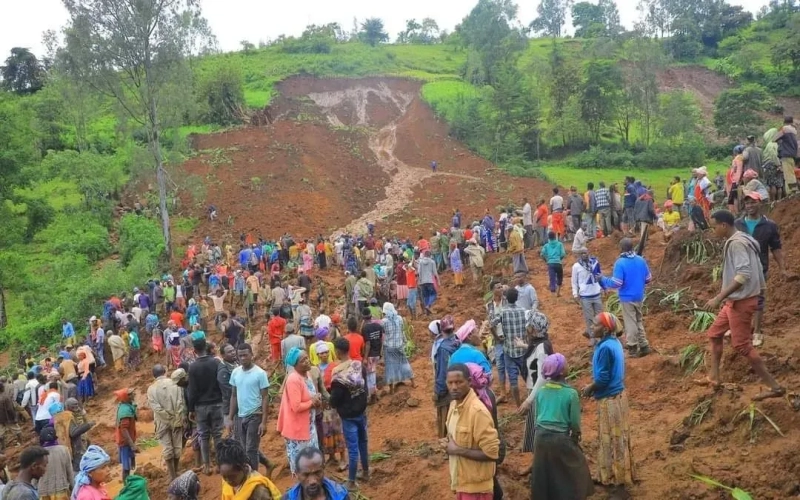
Landslide in Ethiopia's Gofa Zone Kills 229, Coffee-Growing Region Faces Risk of Reduced Output
A severe landslide occurred in the Gofa Zone of southern Ethiopia on the evening of July 21 local time. As of now, 229 deaths have been confirmed, and the casualty toll is feared to rise further. The disaster was triggered by persistent heavy rainfall, and a secondary landslide buried rescue workers. Of particular concern to coffee lovers is that the affected area covers important coffee-producing regions such as Kaffa, Jimma, and Yirgacheffe, where torrential rain and geological disasters are directly threatening the coffee-growing environment and infrastructure. At the same time, the conflict in the north and the impact of the Red Sea crisis on the port of Djibouti have plunged Ethiopia's coffee industry into multiple difficulties. Front Street Coffee will continue to follow the developments and their potential impact on the coffee supply chain. [more…]
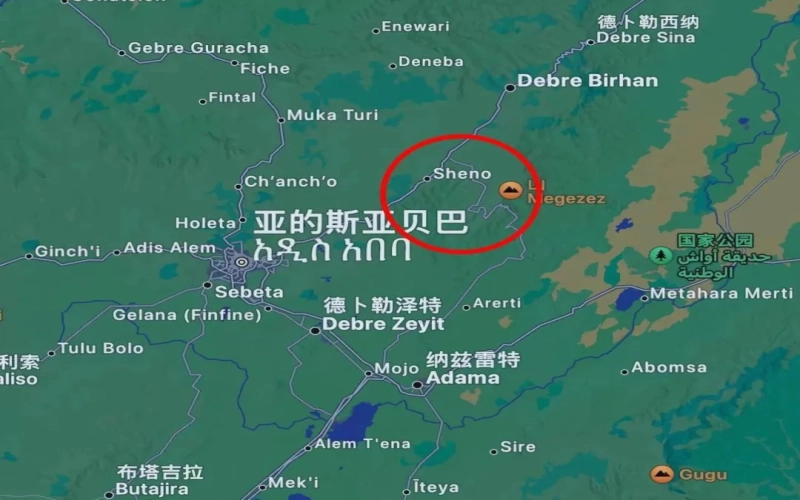
Amhara Conflict Nears Addis Ababa, Intensifying Pressure on the Coffee Export System
The war in Ethiopia's Amhara region has lasted for nearly a year and continues to escalate. Firefights between Fano forces and the government's joint forces have advanced to only about 55 kilometers from the capital, Addis Ababa. Fighting is intense around cities such as Gondar, and government troops have failed to achieve expected results on multiple fronts, with increasing defections among riot police and militia. At the same time, millions of students have been out of school, medical facilities have been damaged, and the region's economy has suffered severe losses. As a pillar industry accounting for as much as 30 to 40 percent of export earnings, the coffee sector is facing multiple shocks, including instability in producing areas, traders withdrawing, the Red Sea crisis, and the suspension of operations at Djibouti's ports, making the supply outlook far from optimistic. [more…]

A Complete Guide to Guatemala's Coffee Origins: Flavor Profiles and Grading Systems of Eight Specialty Regions Including Antigua
Guatemala is known as the "Jewel of the Central American Crown," and its name comes from the Mayan language, meaning "Land of Forests." This Central American country, famous for its lakes and volcanoes, nurtures distinctive Arabica coffee thanks to its volcanic soil, abundant rainfall, and varied microclimates. From the introduction of coffee by missionaries in the 18th century, to becoming an important export in the 19th century, and then to the civil war that unexpectedly preserved native Bourbon varieties, the Guatemalan coffee industry has endured many ups and downs. Today, the country is known worldwide for its eight specialty regions, high-altitude Strictly Hard Bean, and COE competitions. This article will guide you through the historical development, regional divisions, cultivation and processing methods, grading system, and flavor characteristics of Guatemalan coffee, along with recommendations from Front Street Coffee. [more…]
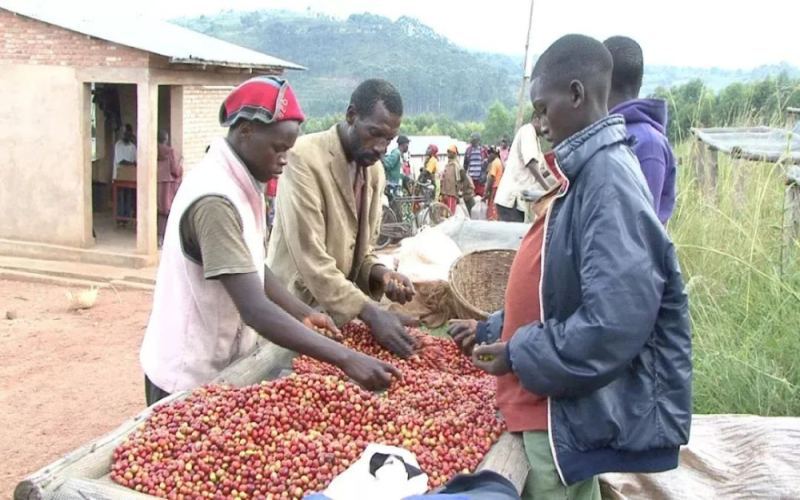
An Analysis of Burundi's Coffee Industry History, Five Major Production Regions, Cultivated Varieties, and Double Washed Processing Method
Burundi is known as the "Land of a Thousand Hills," located in east-central Africa with an average altitude of about 1,600 meters, giving it a natural advantage for developing specialty coffee. Coffee was introduced by Belgian colonists in 1930, and thereafter went through nationalization, the impact of civil war, and privatization reforms, until 2007 when private washing stations were permitted and the COE competition was held in 2011, only then did the industry truly embark on the path of specialization. This article will systematically review the development of Burundi coffee, introduce the five major producing regions including Kayanza and Kirimiro, the main varieties such as Bourbon and Caturra, and focus on analyzing its double fermentation washing process similar to Kenya's, taking you to fully understand the unique charm of this East African coffee-producing country. [more…]
A Complete Analysis of El Salvador's Coffee Regions, Flavors, and Varieties: Aida Batlle and Her Bourbon Cultivation Legacy
Salvadoran coffee is renowned for its steady, mellow body paired with a lively, complex aroma. In the late 19th century, coffee cultivation took root in this land, and the upheavals of civil war paradoxically allowed many old varieties to survive. This article will guide you through the flavor characteristics of Salvadoran coffee, its main varieties, and the moving story of the legendary female coffee farmer Aida Batlle—returning from the United States to her homeland, winning the COE and setting a price record, and her commitment to organic farming and low-yield, high-quality Bourbon. At the same time, Front Street Coffee also recommends related products for you, so you can experience the unique charm of Central American coffee together. [more…]
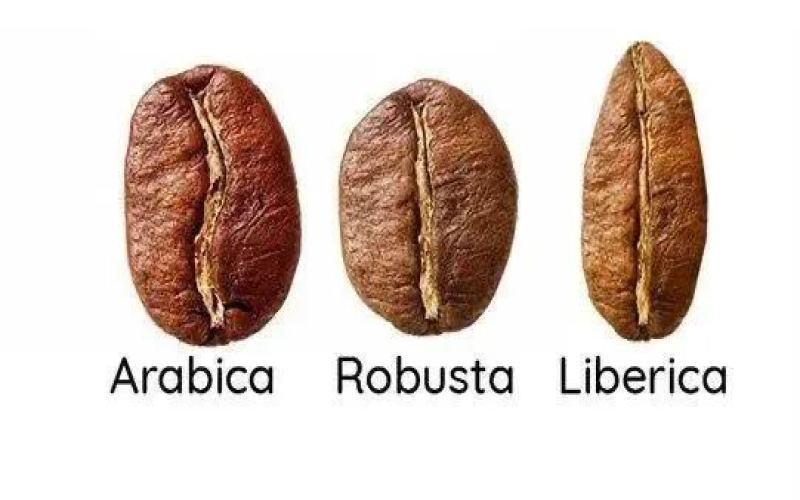
Liberia Restarts Liberica Coffee Cultivation, Pushing for Agricultural Economic Diversification and Transformation
The Liberian government recently announced that it will reintroduce the Liberica coffee variety native to the country as a key measure to revitalize the coffee industry and promote agricultural diversification. This West African nation, whose coffee industry was long stalled by civil war, is now seeking to return to the international market amid rising global coffee consumption and tightening supply, leveraging Liberica's advantages such as strong disease resistance and low caffeine content. At the same time, the incoming Minister of Agriculture pledged to review the national agricultural investment plan within 100 days to ensure that economic crops such as coffee receive substantive support. This article will outline the revival path of Liberia's coffee industry and its potential opportunities in the global coffee landscape, and, from the perspective of Front Street Coffee, present the future possibilities of this producing region. [more…]

Fires in São Paulo State cause agricultural losses of about 1 billion reais, coffee futures prices may rise further
The state of São Paulo, Brazil, recently suffered severe fires, and the Civil Defense Authority warned that almost the entire state remains at high risk. Between August 22 and 24, a total of 2,600 fire points were recorded, with more than 80% concentrated in agricultural land such as sugarcane fields and coffee estates. The Ministry of Agriculture and Supply initially estimates losses at about 1 billion reais, and the actual figure may be higher. The fires burned at least 80,000 hectares of crops, and a large number of bees died, directly affecting coffee pollination and next year's output. At the same time, multiple coffee-producing regions in Brazil have gone more than 120 days without effective rainfall, the outlook for the Arabica flowering season is worrying, Robusta prices have already exceeded US$5,000 per ton, and coffee prices may continue to rise. [more…]
Exploring the Flavors of Yirgacheffe Coffee in Southern Ethiopia: From Sidamo Washed Beans to the Advanced Choice of Gotiti
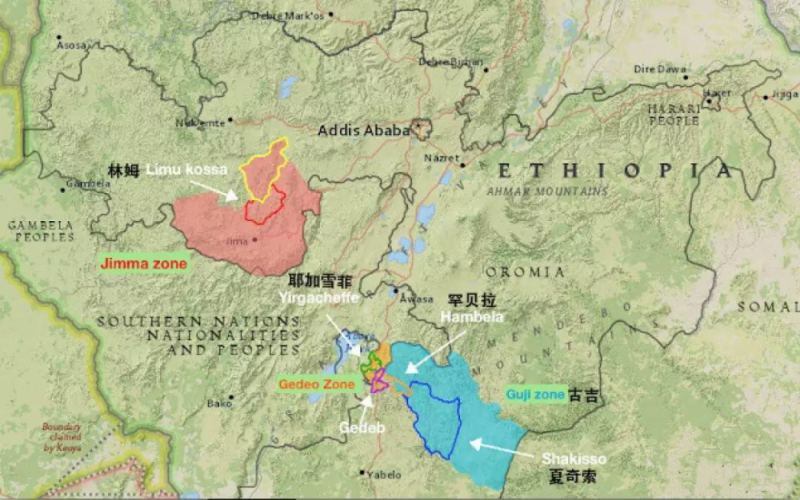
Coffee from southern Ethiopia has subtle flavor differences from that of the northern regions: it lacks the rugged, wild character, and its vinous notes are more restrained, yet it wins out with delicate fruity sweetness and floral aromas. The most representative of these is washed Sidamo, often sold in the market under the name "Front Street Yirgacheffe." These coffee beans are among the rarest in Ethiopia, mainly exported to Europe and Japan, and almost impossible to find in the US market. In recent years, frequent droughts, famines, and civil wars have significantly impacted Ethiopia's coffee industry, especially the output of washed beans. This article will guide you through the terroir and flavor characteristics of Yirgacheffe, as well as Front Street Washed Gutingting, which advanced enthusiasts should take note of. [more…]

2024 Ethiopia COE Results Announced: Natural Process Lots Dominate, Sidama Region Shines
The results of the 2024 Cup of Excellence (COE) Ethiopia competition have been announced, and this year's event has many highlights: all 27 winning coffees were naturally processed, and every one of them came from the JARC numerical variety series, with the Sidama region emerging as the biggest winner. Looking back, since Ethiopia first hosted the COE in 2020, it once set a record high price of $400.5 per pound; after being suspended in 2023 due to civil war, this year's relaunch has delivered a remarkable result. This article will walk you through the detailed results of this year's competition and take a deeper look at the geographical advantages of the Sidama sub-regions Bensa and Bona, as well as the origins of the JARC numerical varieties. [more…]